

Zero-Knowledge Proofs Explained Like You’re 12
The surprisingly simple idea behind one of crypto’s biggest technologies


The phrase “Zero-Knowledge Proof” sounds like something pulled from a cryptography textbook nobody actually finished reading. Most people hear it once, nod politely, and then quietly avoid asking questions because it feels impossibly technical. But the strange thing is that the core idea behind it is actually very simple.
A Zero-Knowledge Proof allows someone to prove something is true without revealing the information behind it. In other words, you can prove you know the answer without showing the answer itself.
That really sounds impossible at first hey. It feels like proving you own a house key without ever taking the key out of your pocket. Yet that’s exactly what this technology is designed to do, and it’s becoming one of the most important ideas in crypto. The easiest way to understand it is through a normal everyday example.
Imagine you walk up to a nightclub and the security guard asks whether you’re over eighteen. Normally, you would hand over your ID, even though your ID contains far more information than the guard actually needs.
Your licence reveals your full name, your home address, your date of birth, and several other personal details. None of that matters to the person standing at the door. They only need confirmation that you meet the age requirement. A Zero-Knowledge Proof changes that interaction completely.
Instead of exposing all your personal information, your phone could simply confirm that you are over eighteen without revealing anything else. The guard gets the answer they need, while your private information stays private.
That is the entire magic trick. Once you understand that example, the importance of this technology becomes much easier to see because the modern internet has a serious privacy problem.
Every website wants data, Every app collects information, Companies track behavior, purchases, locations, clicks, interests, and habits with incredible precision. Most online services operate on the same basic deal: hand over your information and trust us to protect it later. History suggests that deal rarely ends well.
Databases are constantly getting hacked and the users information gets entirely leaked online. Personal data is bought, sold, packaged, and analysed until privacy slowly disappears in the background like air leaking from a tyre.
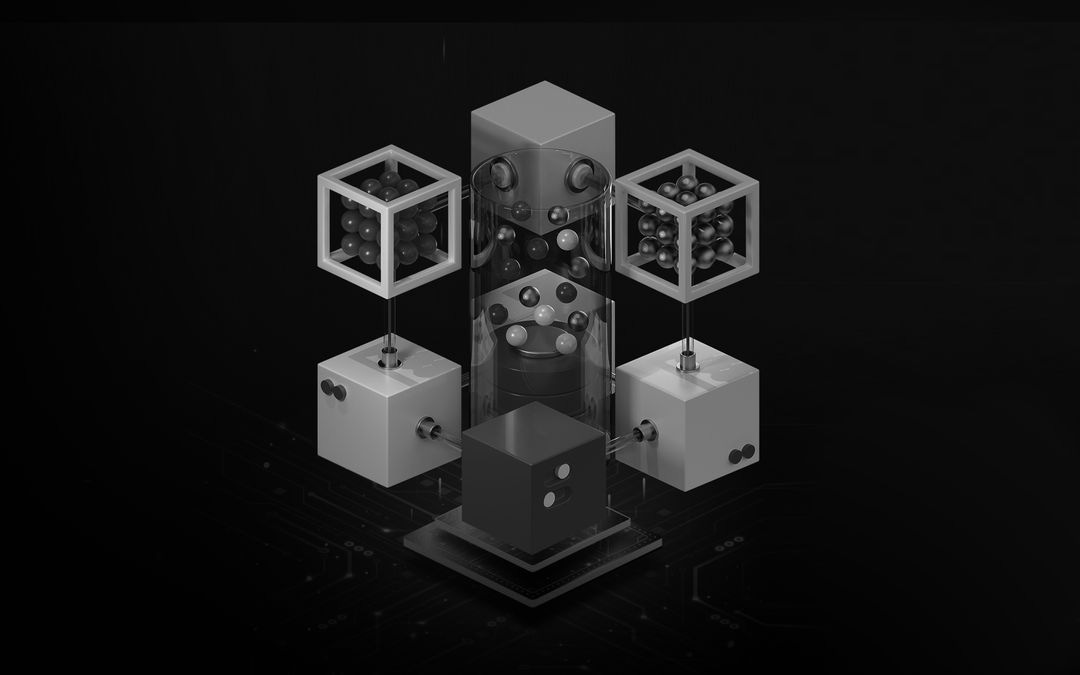
Zero-Knowledge technology flips this model upside down because it focuses on proving instead of exposing. Instead of handing over the entire treasure chest, you only provide proof that the treasure exists. The information stays with you.
That matters enormously in crypto because most blockchains are radically transparent by design. While transparency sounds positive at first, it also means transactions, balances, and wallet activity can often be viewed publicly forever.
Imagine if every bank transaction you made could be inspected by strangers at any time. Most people would find that deeply uncomfortable, yet that level of visibility already exists across many blockchain networks today.
Projects like Midnight are exploring how privacy and verification can exist together without sacrificing security. The idea is not to remove trust from blockchain systems but to remove unnecessary exposure. You should be able to prove something without revealing everything about yourself in the process. That single shift changes a lot more than people realize.
It creates the possibility for private payments, confidential identity systems, secure voting applications, protected medical records, and online services that collect dramatically less personal information from users. More importantly, it changes how we think about privacy itself.
People often say privacy only matters if you have something to hide, but that argument falls apart very quickly in the real world. Nobody thinks it is suspicious to lock their front door, use passwords, or close the curtains at night. Privacy is not criminal behavior. It is a normal part of being human.
The internet simply forgot that somewhere along the way. Zero-Knowledge Proofs are exciting because they offer a future where technology can still verify truth without demanding complete transparency from everyone using it. For crypto projects like Midnight, that idea sits at the centre of what comes next.
You do not need to understand advanced mathematics to understand why this matters. The technical side is incredibly complex, but the human side is simple. People want control over their own information. Zero-Knowledge Proofs might become one of the technologies that finally gives some of that control back.
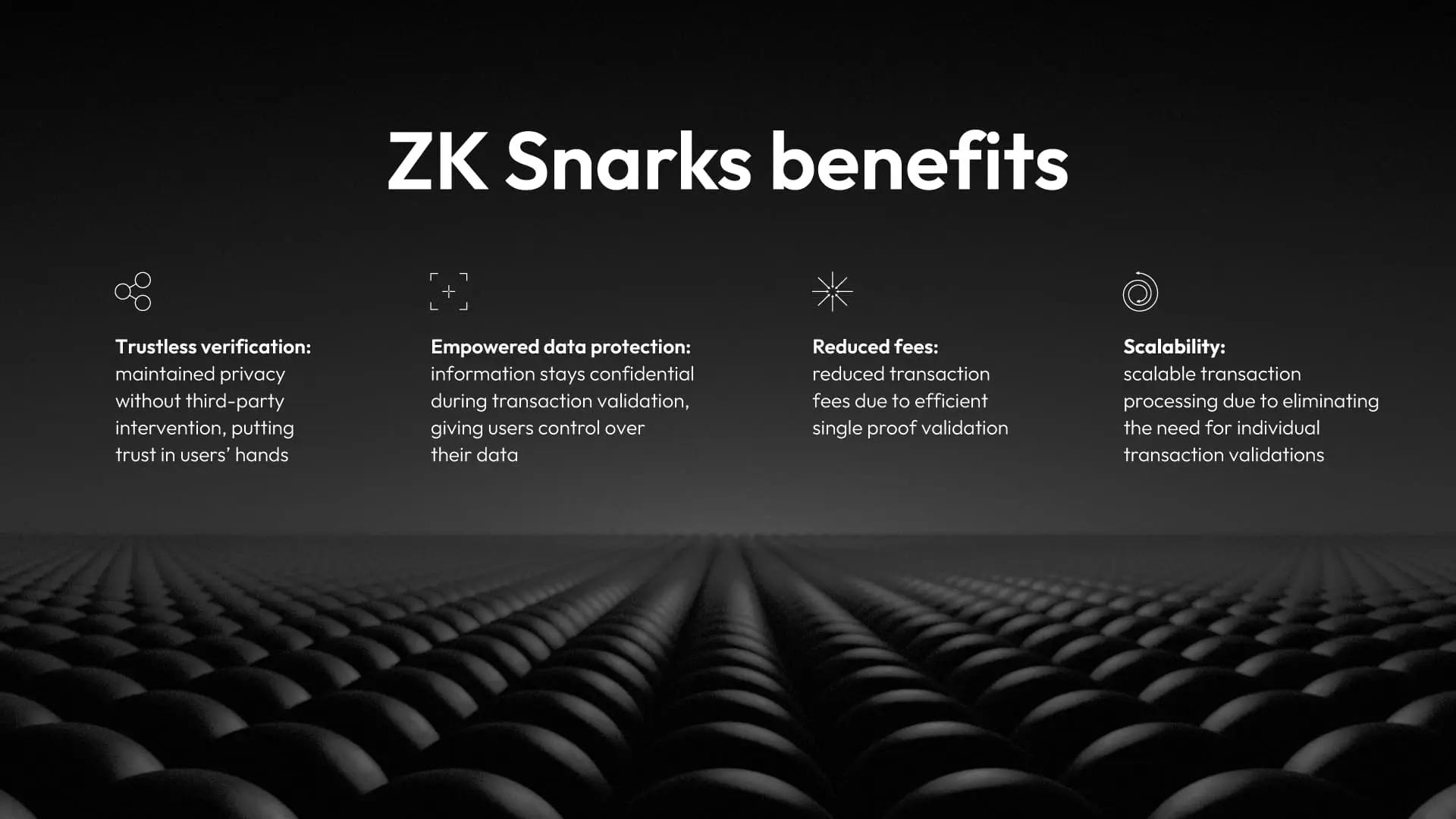
Under the hood, systems like Midnight use advanced forms of Zero-Knowledge technology called zk-SNARKs. The mathematics behind them is incredibly complex, but the goal is simple: prove something is true while revealing as little information as possible.
People usually assume if you want privacy, it's because you want to hide some illicit activity - but it's more about your safety/security.
If you have no blinds on the windows on the front of your house, anyone can peek in on their way past and see your large flatscreen TV, PS5 console, maybe a handbag or a digital camera, and you become a target.
Close the blinds and you're just 1 of hundreds of houses that may or may not be worth breaking into.
Privacy is just about not revealing information that you don't need to.