How Midnight Handles Compliance Without Killing Privacy
The surprising way Midnight balances privacy and accountability

Whenever privacy technology comes up… the same question usually follows close behind.
“How can regulators verify anything if the information is fully private?”
It’s a fair question right?
For years, the debate around privacy has been framed as a choice between two extremes. Either everything is visible and easy to verify, or everything is hidden and impossible to trust. This means most people assume that those are just the only options available. But the problem is that neither approach works particularly well.
Complete transparency creates privacy concerns because people end up revealing far more information than necessary. Complete secrecy creates trust issues because nobody can verify what is actually happening. As our lives become increasingly digital, both problems become harder to ignore.
This is where Midnight takes a different approach!
Rather than treating privacy and compliance as opposing forces, Midnight is built around the idea that both can exist within the same system. The goal is not to eliminate accountability or hide information from everyone. The goal is to ensure that people only disclose what is genuinely required and nothing more.
The Problem With Traditional Compliance
Think about how identity verification works today. In many situations, proving a single fact requires exposing a surprising amount of personal information. A venue checking whether you’re old enough to enter often receives your full name, address, date of birth, and licence number, even though none of those details are relevant to the decision being made.
The only question that needs to be answered is simply…
“Is this person old enough?”
Yet traditional systems struggle to separate proof from disclosure. As a result, we regularly hand over entire collections of personal information just to verify one small fact. Most people have become so accustomed to this process that they barely notice it happening. The internet operates in much the same way.
Companies collect entire databases of customer information because current systems are often designed around gathering everything first and deciding what matters later. The more information that is stored, the greater the risk that information will eventually be leaked, stolen, or misused. Privacy becomes an afterthought rather than a design principle.
Midnight’s Different Approach
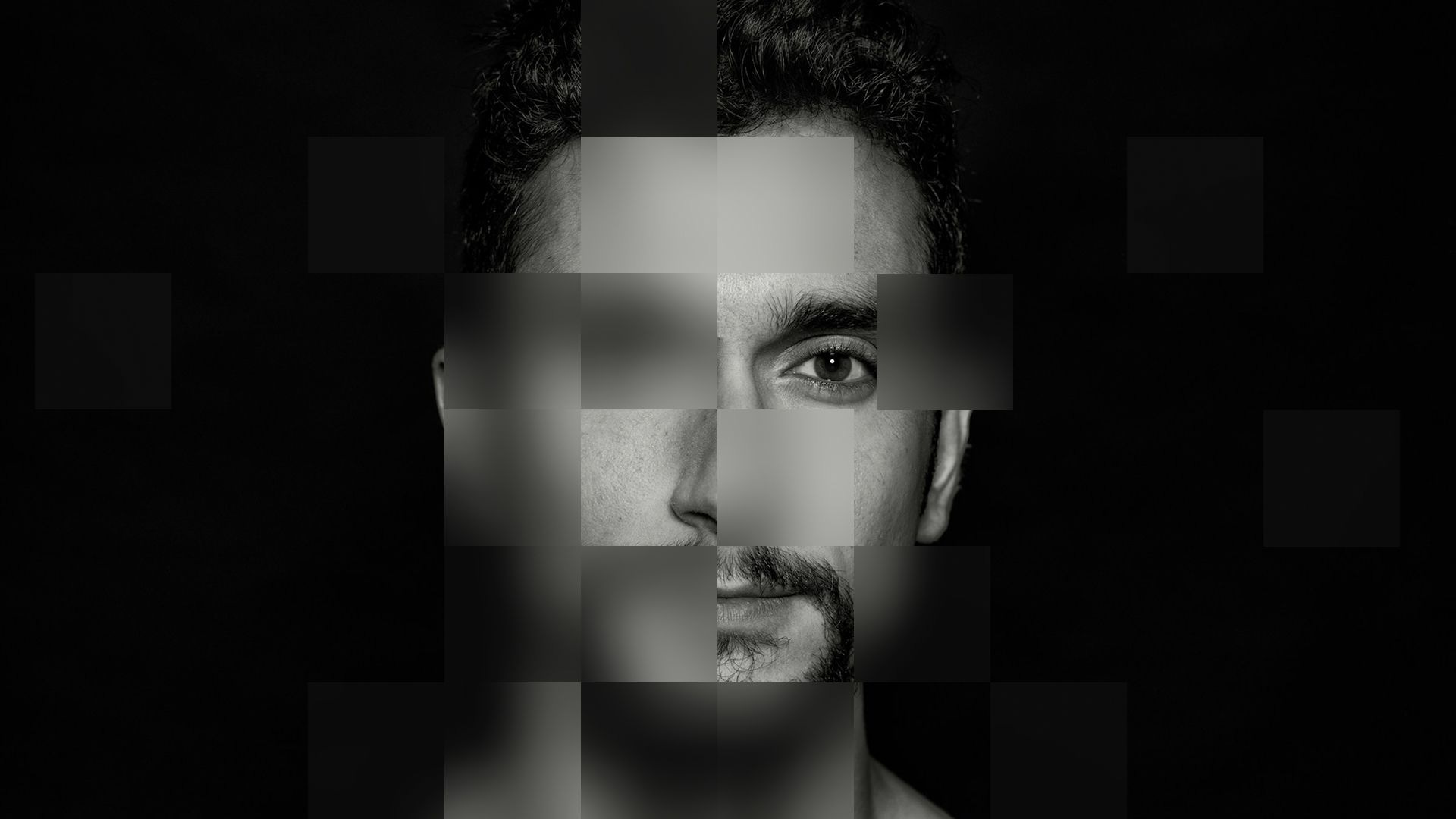
Midnight approaches the problem from the opposite direction. Instead of asking users to reveal everything upfront, the platform is designed around selective disclosure. This allows people to prove specific facts while keeping unrelated information private.
Imagine proving you meet an age requirement without revealing your exact birthdate. Imagine demonstrating that a compliance check has been completed without exposing every piece of personal information involved in that process.
The verifier still receives the assurance they need.
The user keeps control over their information.
Both sides achieve their goal without unnecessary disclosure.
This is where Midnight’s use of Zero-Knowledge technology becomes particularly important. Rather than exposing underlying data, users can generate proofs that confirm a statement is true while keeping sensitive details private. The result is a system where verification remains possible without requiring complete transparency.

Privacy And Accountability Are Not Opposites
One of the biggest misconceptions about privacy technology is that privacy removes accountability. In reality, privacy and accountability serve different purposes. Accountability ensures that actions can be verified and rules can be enforced. Privacy ensures that people do not surrender more information than necessary during that process.
We already accept this principle in many areas of everyday life. Your doctor can verify your medical history without publishing it online. Your bank can confirm your account exists without sharing your transaction history with strangers. Your employer can verify your qualifications without making your entire personnel file public.
In each case, verification exists alongside privacy. Midnight extends that same principle to blockchain applications. Rather than forcing users to choose between privacy and compliance, it creates mechanisms that allow both to coexist. Information can remain private while specific facts are selectively disclosed when needed.
That distinction may become increasingly important as digital systems continue to expand into every aspect of modern life.
Final Thoughts
The privacy debate is often framed as a battle between transparency and secrecy. Midnight suggests the real goal is neither. Most people do not want a world where everything is hidden.
They also do not want a world where every personal detail is permanently exposed. What they want is something far more reasonable: the ability to prove what matters without revealing everything else.
In many ways, that is what selective disclosure is all about. Not hiding the truth. Not exposing everything. Simply sharing the right information with the right people at the right time.